Freecity Innovation Insights No.10 – The Inherent Advantages of Volumetric Modular Construction for Living Sector Assets: Repeatability for this project and Increasing Productivity for the next
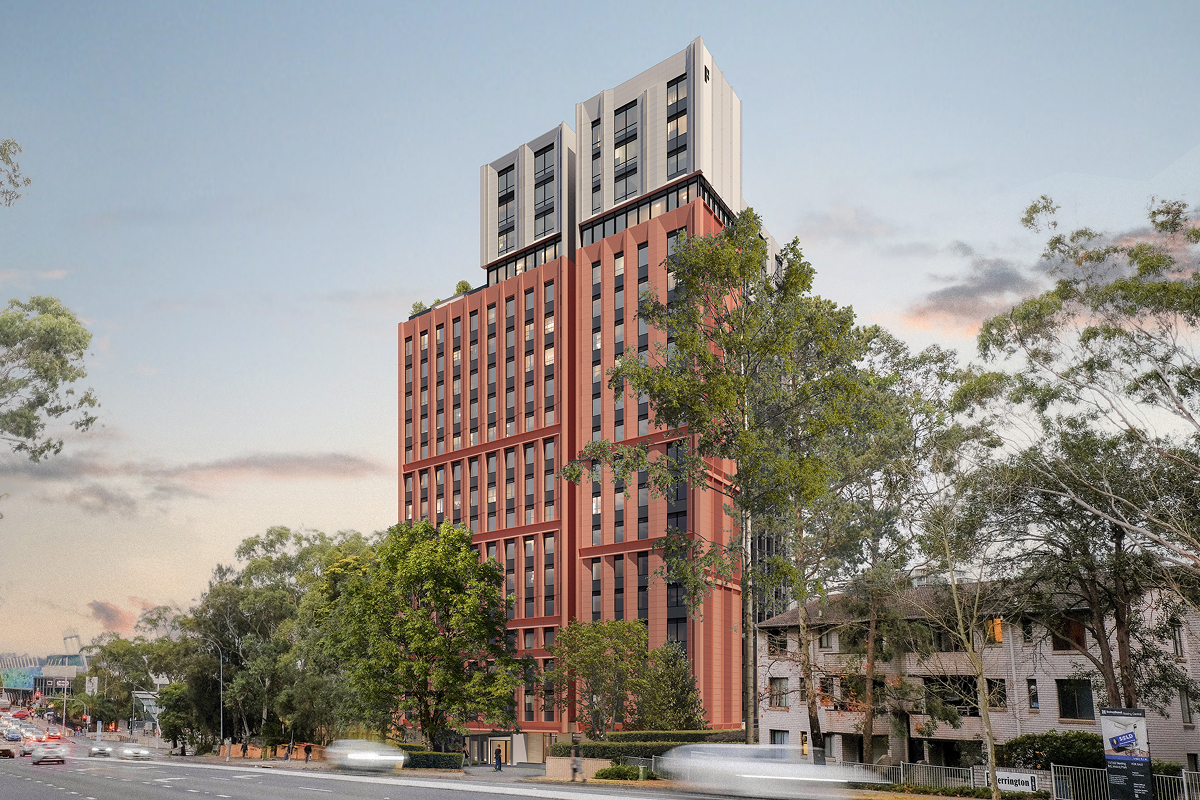
In traditional construction, each project largely starts from scratch. Every building is a prototype, where new designs are generated, details are engineered, and what is built once is rarely what gets built next. In terms of knowledge, all the lessons learned from this process are carried only in the memories of individuals who were on the project.
With Volumetric Modular Construction (VMC), the system is based on a repeatable product with inherent memory and continuous improvement. When a floor plate is designed for factory production, it is designed to be produced again. The detailing, the connections, the sequencing, the tolerances are all documented, tested and refined in a way that feeds directly into the next production run. The product improves over time, and there is a tracing mechanism to record the design evolution of every component.
Our vision at Freecity is for every project using VMC to contribute to making the next one faster, lower costs and better. Our first, under-construction projects have involved significant R&D investment in establishing the right processes, the right relationships, and the right documentation. That investment does not disappear at practical completion: it becomes the foundation on which our Living Sector pipeline is built, and it is a product designed to be delivered again and again, at scale.
Repeatability and the design process
Repeatability begins in design, and it must be integrated from the very beginning, shaping every decision from massing and module dimensions through to services coordination and facade design. Projects that attempt to adapt a traditional design for modular delivery after the fact rarely realise their full benefits.
A modular building that has been designed with repeatability in mind looks fundamentally different from one that has been adapted for modular delivery after the fact. Module dimensions are standardised. Wet areas are consolidated. Services are coordinated for factory installation. Facade panels are designed for repetition across multiple levels and multiple projects.
Getting this right requires a design team that understands both the architectural ambition and the manufacturing reality, and the discipline to hold the tension and synergies between them. That is precisely what Freecity Design and Space Labs were established to do.
The productivity dividend
The productivity case for repeatability is straightforward. When module designs are reused across projects, design fees reduce. When factory workers are producing familiar components, cycle times shorten and error rates fall. When procurement relationships are established and supply chains are proven, lead times compress. When connection details are consistent throughout a project, efficiency builds with every repetition.
Taken individually, each of these improvements is incremental. Taken together across a portfolio of projects, they represent a genuine and compounding productivity dividend that traditional construction cannot replicate. This is why scale matters so much in VMC: not just for the economics of any single project, but for the systemic improvement that only becomes visible across a pipeline.
Continuous improvement
Every step forward, whether updating the materials list, refining the design, or improving construction methodology, makes for a better project next time. For example, Freecity procured steel manufactured in China with 30% less embodied carbon for its first projects. Building on this, a 60% reduction in embodied carbon is now achievable by transitioning to a Hydrogen Shaft Furnace and increasing the proportion of scrap steel. This is just one of many such developments, big and small, as new products emerge and costs fall with new manufacturers entering the market. New products can also be trialled quickly using a test module, rather than committing to a whole building.
Spotlight: Freecity Design
I am pleased to introduce Teenie Lee, who leads our Design arm at Freecity. Teenie holds a Bachelor of Design in Architecture from the University of Sydney, and she brings over a decade of experience in residential development and design management, having held leadership roles at Mirvac, Meriton and Coronation.
As Head of Design, Teenie works collaboratively across the Development, Construction and Space Labs teams, with a mandate to elevate outcomes across all design processes. Her role sits at the critical intersection of architectural intent and manufacturing reality, working closely with Space Labs Australia to deliver factory-ready shop drawings.
Teenie is currently active across key projects in Forest Lodge and Parramatta. A core part of her focus is streamlining design development and coordination through robust internal documentation and laying the groundwork for scalable design systems that will support our growing portfolio.

Teenie Lee
Head of Design, Freecity Design
Written by Steven Mann
Published: 08 May 2026